![Ghost Train Haze Marijuana Strain Information & Reviews - AllBud Royalesque Ghost Train Haze [1000mg] for sale - The Source Ghost Train Haze | The Capitol Dispensary | AllBud Ghost Train Haze Seeds – 25% THC | USA Free Shipping Ghost Train Haze x Pellezino fem cannabis seeds for …,Ghost TraIN hAZE](https://cannabisgunk.com/wp-content/uploads/2025/04/ghost-train-haze-buy-weed-online-at-herb-approach-dispensary-1-800x800.jpg)

YOUR CART
- No products in the cart.
Subtotal:
$0.00
BEST SELLING PRODUCTS




Cannabis is a flowering plant belonging to the Cannabaceae family, widely recognized for its psychoactive and medicinal properties. Its use dates back thousands of years, with evidence of cultivation and consumption found in ancient cultures across Asia, the Middle East, and the Americas. Today, cannabis is a multifaceted plant utilized for recreational, medicinal, and industrial purposes.
Cannabis is generally categorized into three main species:
Cannabis contains over 100 cannabinoids, the most notable being THC and CBD. THC is responsible for the psychoactive effects, while CBD is non-intoxicating and has gained attention for its potential health benefits, such as reducing inflammation, alleviating anxiety, and managing chronic pain. Other important compounds include terpenes, which contribute to the plant’s aroma and may enhance its therapeutic effects through the “entourage effect.”
The legal status of cannabis varies significantly worldwide. Some countries and states have fully legalized it for recreational use, while others only permit medical use or maintain strict prohibitions. This patchwork of laws reflects ongoing debates about the plant’s safety, benefits, and societal implications.
In summary, cannabis is a complex and versatile plant with a rich history and a wide range of applications. Its chemical profile and varying effects have made it a subject of ongoing research and interest in both medical and recreational contexts. As societal perceptions continue to evolve, cannabis remains a pivotal topic in discussions about health, wellness, and industry.
List of marijuana uses, Cannabis uses list, Is marijuana good for pain, Cannabis uses and side effects, Intended use of marijuana, What is marijuana used for, What is marijuana drugs, Common uses of marijuana
The discussion regarding the strength of Indica versus Sativa cannabis strains is frequently addressed by users, yet the answer is complex. Each cannabis type possesses distinct traits and effects, with their potency influenced by various factors, such as cannabinoid levels, user tolerance, and strain specifics.
Comprehending Indica and Sativa
INDICA strains are frequently linked to soothing and tranquilizing effects. They usually contain greater amounts of CBD (cannabidiol) compared to THC (tetrahydrocannabinol), offering relaxation and pain relief. Indica strains are often suggested for evening use, as they can assist users in relaxing, easing insomnia, and lowering anxiety. Typical effects consist of enhanced relaxation, a feeling of tranquility, and possible couch-lock, which makes it suitable for individuals seeking to alleviate stress or persistent pain.
SATIVA varieties, in contrast, are recognized for their stimulating and cheerful effects. They typically have elevated THC content and reduced CBD, which may result in a more mental high. Sativa varieties are frequently selected for daytime consumption, as they can boost creativity, concentration, and social interaction. Users might feel enhanced energy, greater alertness, and a better mood, making Sativa a favored option for social events or artistic pursuits.
Evaluating Strengths
In comparing the potency of Indica and Sativa, it’s crucial to understand that “strength” can denote various factors, including efficacy, effects, and individual experiences.
1. **Strength**: The overall cannabinoid levels in a strain are an essential aspect. Certain Sativa strains may possess remarkably high THC concentrations, occasionally surpassing 30%. Conversely, numerous Indica strains can exhibit THC levels that vary from moderate to high, yet they typically present a more balanced cannabinoid composition with increased CBD. For individuals looking for a powerful psychoactive experience, high-THC Sativa varieties may be viewed as more intense.
2 User experience: Personal tolerance and the intended effect are also essential factors. For someone pursuing relaxation and pain alleviation, an Indica strain may be seen as more powerful, whereas a Sativa strain could seem more intense for those desiring an energetic high.
Hybrid Strains: It’s important to mention that numerous cannabis strains available now are hybrids, blending traits of both Indica and Sativa. These hybrids can provide a balanced experience, enabling users to take advantage of the benefits from both types according to their needs.
Final Thoughts
Ultimately, the strength of Indica or Sativa relies on the user’s preferences. Indica strains are known for their ability to induce relaxation and alleviate pain, whereas Sativa strains are favored for boosting energy and enhancing creativity. In the end, the optimal strategy is to take into account personal needs, preferences, and the particular strain’s cannabinoid characteristics. As cannabis progresses, grasping these subtleties can assist users in making educated decisions suited to their intended outcomes.
Indica vs Sativa, Sativa vs Indica high, Sativa vs Indica plants, Sativa vs Indica benefits, Sativa strain vs Indica strain, Indica vs Sativa THC, Sativa vs Indica ratio, Sativa vs Indica vs Hybrid
.
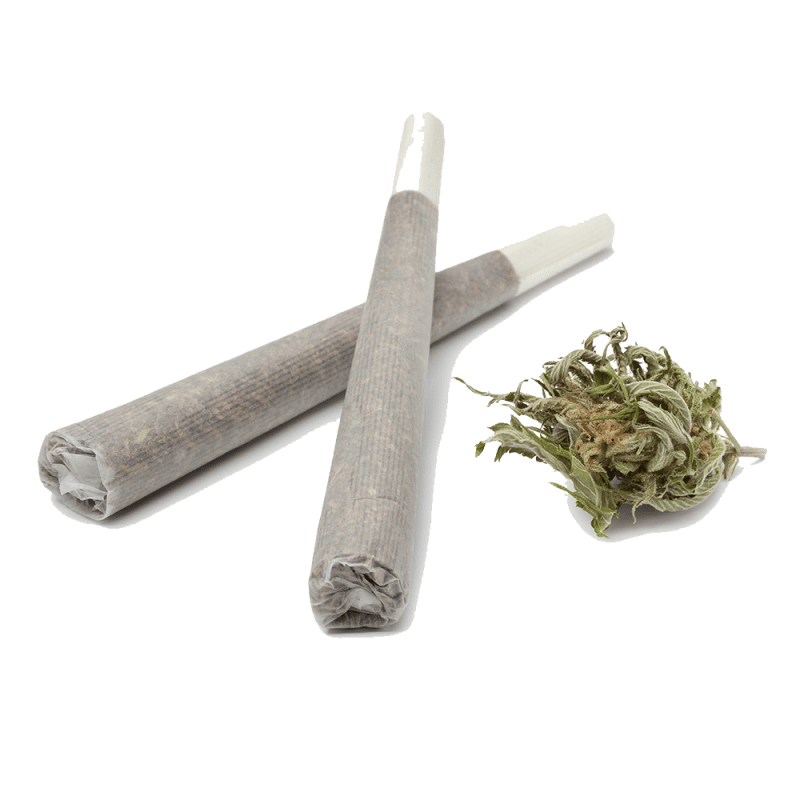
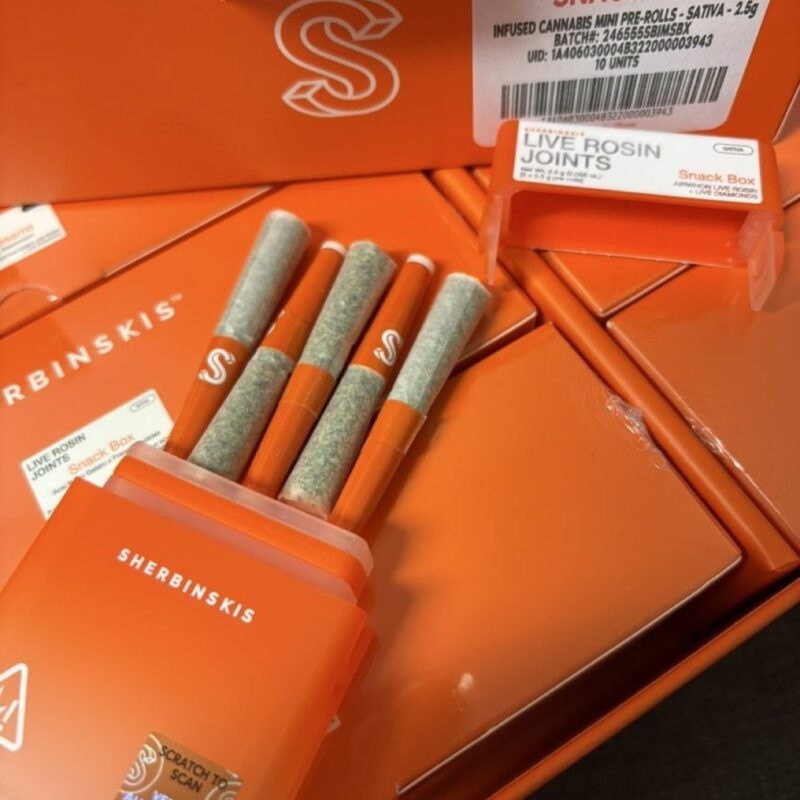
An infused pre-roll is a type of cannabis joint that has been enhanced with additional cannabis concentrates or other substances to elevate the overall experience. These pre-rolls are gaining popularity among cannabis enthusiasts for their potency and unique flavor profiles. Understanding infused pre-rolls involves looking at their components, benefits, and the experience they offer.
Infused pre-rolls typically consist of:
Infused pre-rolls offer several advantages:
When smoking an infused pre-roll, users can expect a potent and flavorful experience. The effects may vary depending on the strains and concentrates used, but they often lead to a more profound and longer-lasting high. Users should approach infused pre-rolls with caution, especially those with higher THC levels, as the intensity can be overwhelming for beginners.
In summary, infused pre-rolls are an exciting innovation in the cannabis market, combining high-quality flower with potent concentrates to create a unique smoking experience. Their enhanced potency, rich flavors, and convenience make them appealing to a wide range of cannabis users, from casual smokers to connoisseurs seeking something extraordinary.
Infused pre-roll meaning, Infused pre-roll vs regular, Infused pre-roll instructions, Infused pre-roll calculator, Infused pre-roll distillation, Top smoke infused pre rolls, What does infused pre-roll mean, Flowerz pre-roll vs infused.
Marijuana, or cannabis, is a diverse plant with various strains, each offering unique effects and therapeutic benefits. The main categories of marijuana strains are Indica, Sativa, and hybrids, each with distinct characteristics that influence user experience.
Indica strains are known for their calming and relaxing effects. Typically, they have higher levels of CBD (cannabidiol) relative to THC (tetrahydrocannabinol), which can help alleviate stress, anxiety, and pain. Users often report a sense of deep relaxation, making Indica strains ideal for nighttime use or for those seeking relief from insomnia. Common Indica strains include Granddaddy Purple, Northern Lights, and Bubba Kush. These strains are often recommended for individuals dealing with chronic pain, anxiety, or conditions requiring muscle relaxation.
Sativa strains, in contrast, are recognized for their uplifting and energizing effects. They typically feature higher THC levels and lower CBD, promoting creativity, focus, and sociability. Many users prefer Sativa strains for daytime use, as they can enhance mood and provide a burst of energy. Popular Sativa strains include Sour Diesel, Jack Herer, and Green Crack. These strains are often sought after by individuals looking to combat fatigue, enhance creativity, or engage in social activities.
Hybrid strains are a combination of Indica and Sativa, designed to offer a balance of effects from both categories. Depending on their lineage, hybrids can lean more towards either Indica or Sativa characteristics. This versatility allows users to select hybrids tailored to their specific needs, whether for relaxation, pain relief, or energy. Popular hybrid strains include Girl Scout Cookies, which provides a balanced high, and Blue Dream, known for its calming yet uplifting effects.
The effects of marijuana strains can vary widely among individuals due to factors such as body chemistry, tolerance, and method of consumption. Additionally, the presence of terpenes—aromatic compounds found in cannabis—can influence the overall experience, enhancing or modifying the effects of cannabinoids.
When choosing a strain, it’s essential to consider the desired effects, whether for recreational enjoyment or medicinal purposes. Experimentation and understanding personal preferences can lead to a more satisfying experience.
In summary, the different strains of marijuana—Indica, Sativa, and hybrids—offer a range of effects that cater to various needs and preferences. Indicas are ideal for relaxation and pain relief, Sativas provide energy and creativity, and hybrids offer a blend of both. By exploring these strains, users can find the right cannabis experience to suit their lifestyle and therapeutic requirements.
Different types of marijuana strains, Different types of weed strains, Different marijuana strains and effects, Marijuana varieties and their effects, Difference between Indica and Sativa, Effects of different strains weed, What does strain mean weed, Different strains of weed.
Different types of marijuana strains, Different types of weed strains, Different marijuana strains and effects, Marijuana varieties and their effects, Difference between Indica and Sativa, Effects of different strains weed, What does strain mean weed, Different strains of weed.Infused pre-roll meaning, Infused pre-roll vs regular, Infused pre-roll instructions, Infused pre-roll calculator, Infused pre-roll distillation, Top smoke infused pre rolls, What does infused pre-roll mean, Flowerz pre-roll,List of marijuana uses, Cannabis uses list, Is marijuana good for pain, Cannabis uses and side effects, Intended use of marijuana, What is marijuana used for, What is marijuana drugs, Common uses of marijuana
Showing 17–32 of 34 results